
Optimal Timing for Tree Removals
Understanding the optimal time for tree removals is essential for safety, efficiency, and tree health management. The timing depends on various factors including tree species, local climate, and specific site conditions. Proper timing can minimize risks and ensure the process is conducted effectively.
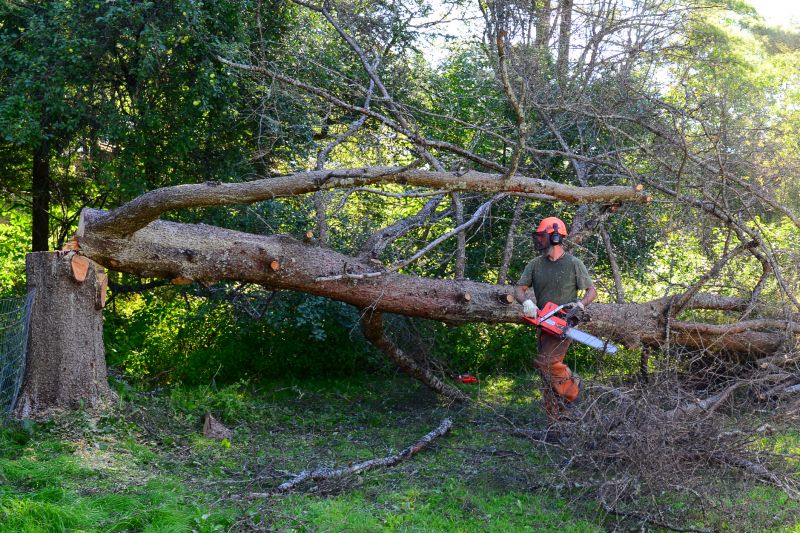
Spring is suitable for removing dead or hazardous trees before new growth begins, reducing stress on surrounding vegetation.
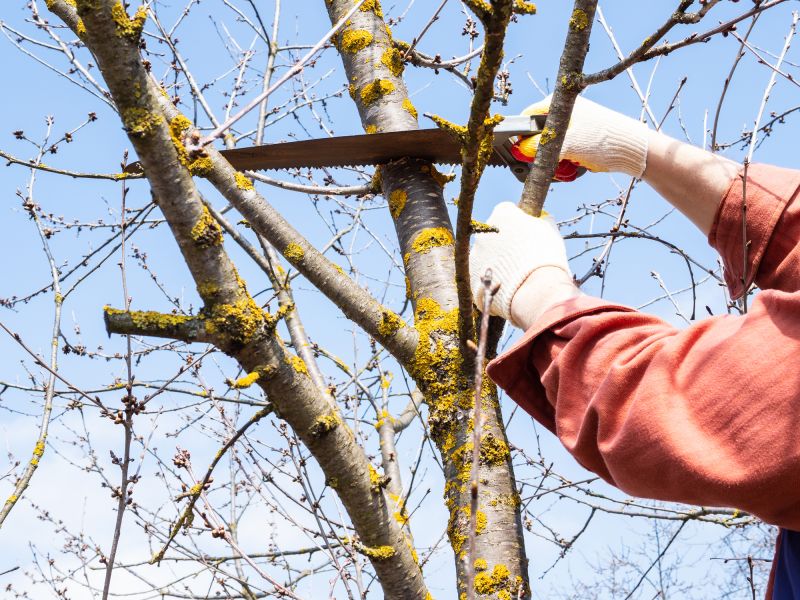
Summer offers longer daylight hours, but high temperatures require careful planning to prevent heat stress on equipment and personnel.
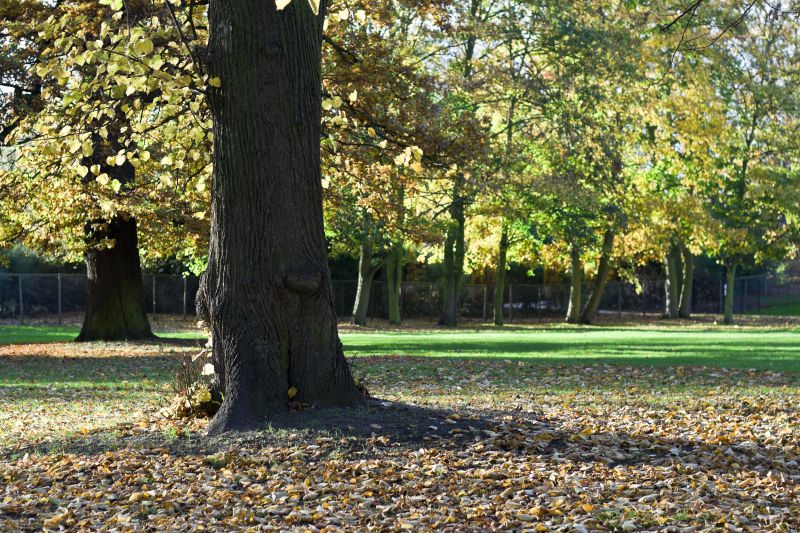
Fall is often ideal for tree removals due to cooler weather and the tree's dormancy period, which minimizes impact on the landscape.
Ways to make Tree Removals work in tight or awkward layouts.
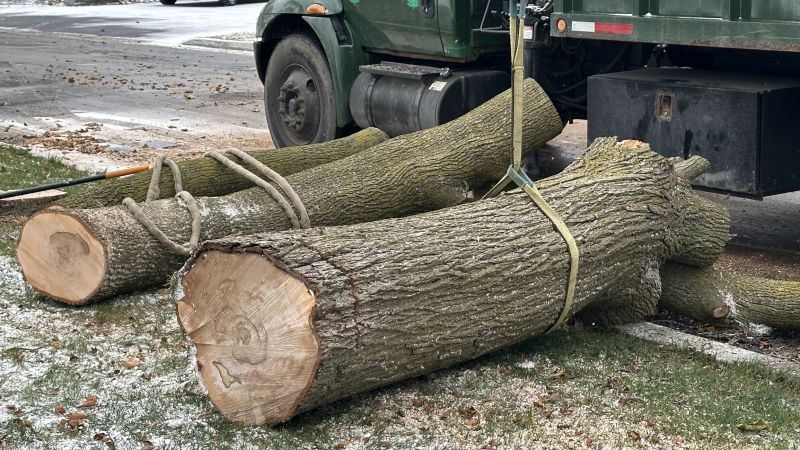
Popular materials for Tree Removals and why they hold up over time.
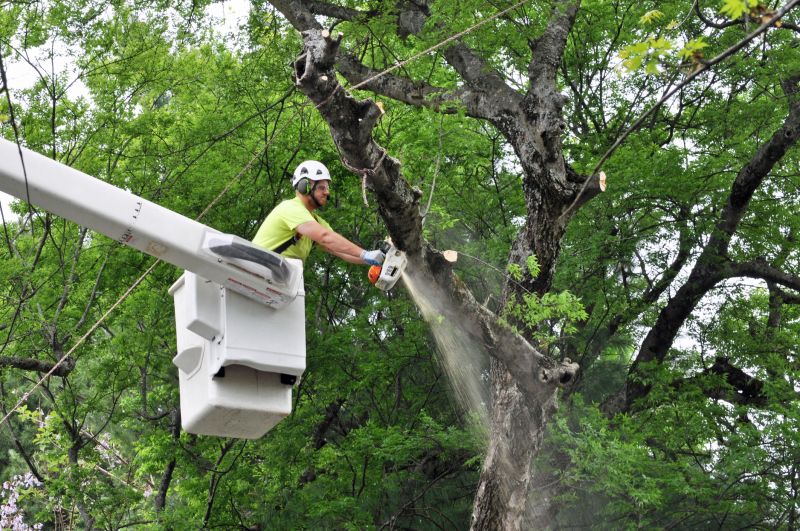
Simple add-ons that improve Tree Removals without blowing the budget.
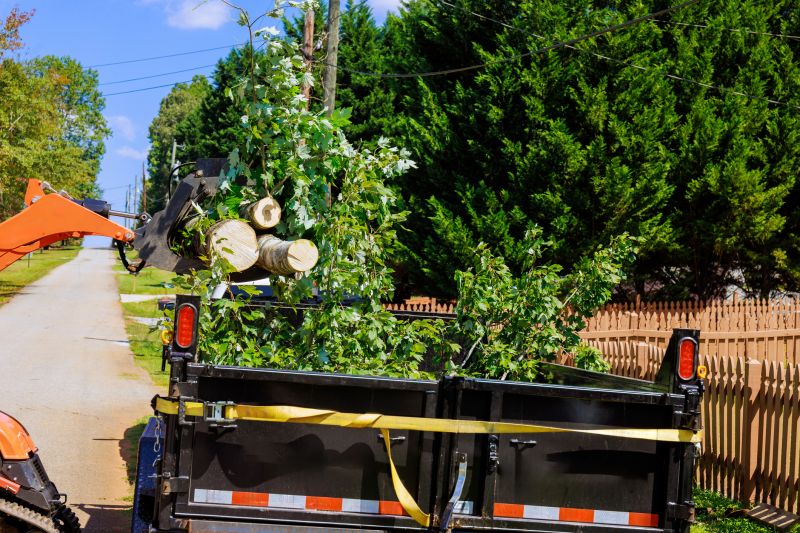
High-end options that actually feel worth it for Tree Removals.
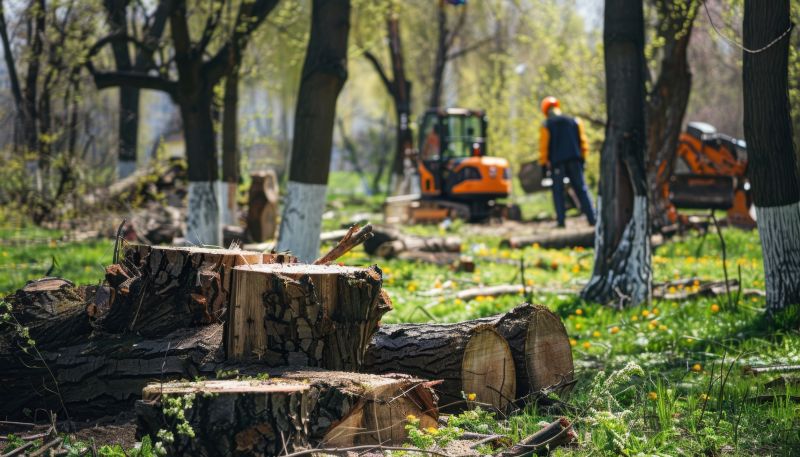
Finishes and colors that play nicely with Tree Removals.
Removing hazardous trees during dormancy reduces the risk of disease spread and minimizes disruption to surrounding plants.
Local climate conditions influence the best time for removal; for example, avoiding wet or frozen ground reduces equipment complications.
Fruit trees are best removed in late winter or early spring before bud break to prevent pest attraction and disease.
Deciduous trees are generally best removed during winter, while evergreens may be removed in late summer or early fall.
| Season | Recommended Timing |
|---|---|
| Spring | Before new growth begins, typically late winter to early spring. |
| Summer | Early summer, avoiding peak heat periods. |
| Fall | Late fall, during tree dormancy. |
| Winter | Mid to late winter, especially for deciduous trees. |
| Late Winter/Early Spring | Ideal for fruit trees and dormant deciduous trees. |
Tree removals require careful planning to ensure safety and effectiveness. Seasonal timing plays a vital role in minimizing impact on the landscape and reducing potential hazards. Properly timed removals also help preserve the health of nearby trees and prevent unnecessary stress or disease transmission.
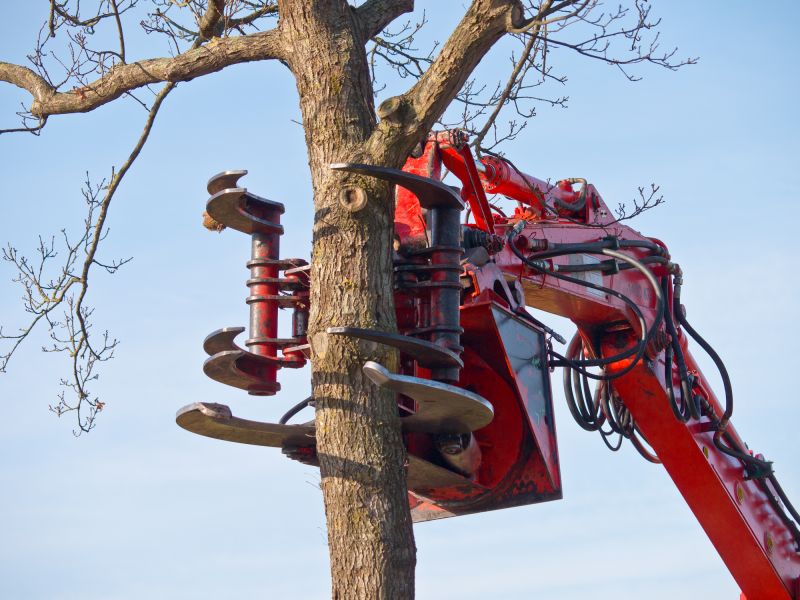
Specialized machinery is used to safely and efficiently remove trees, with timing influencing equipment choice and operation.
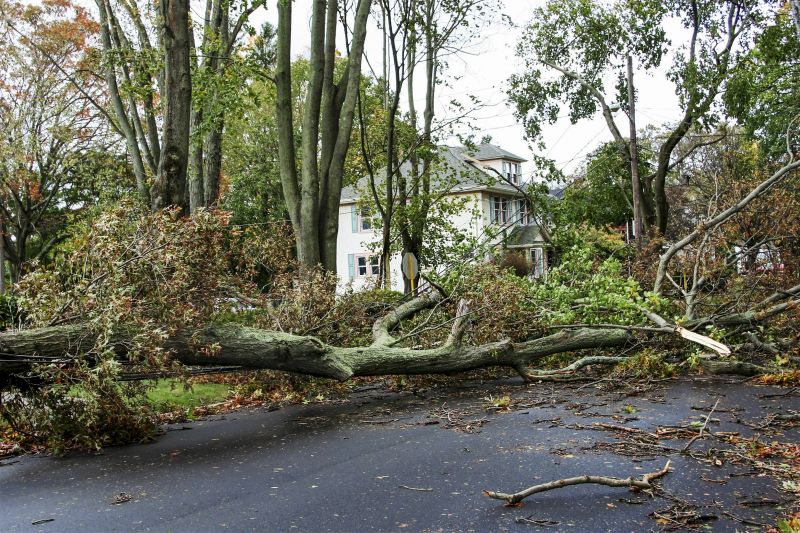
Storms and high winds can cause tree damage, making timely removals crucial for safety.
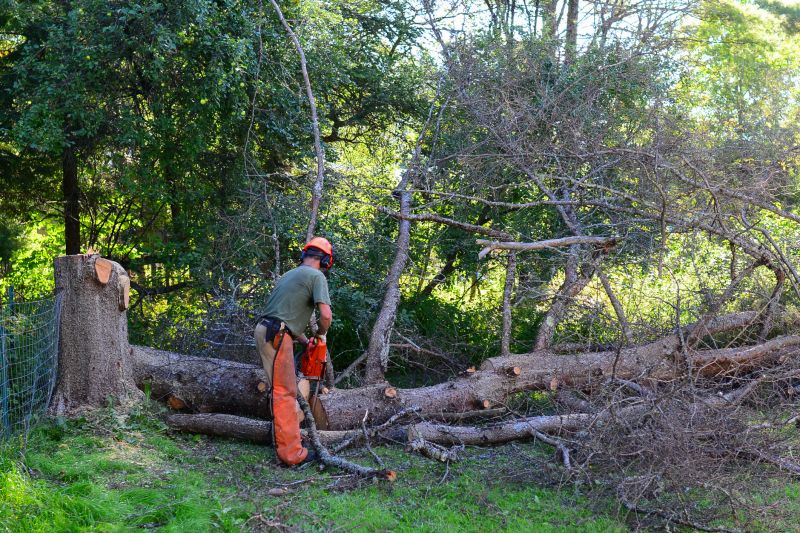
Removing trees during dormancy helps prevent pest and disease spread and minimizes landscape disruption.
Timing impacts how quickly the landscape can recover and be replanted after removal.
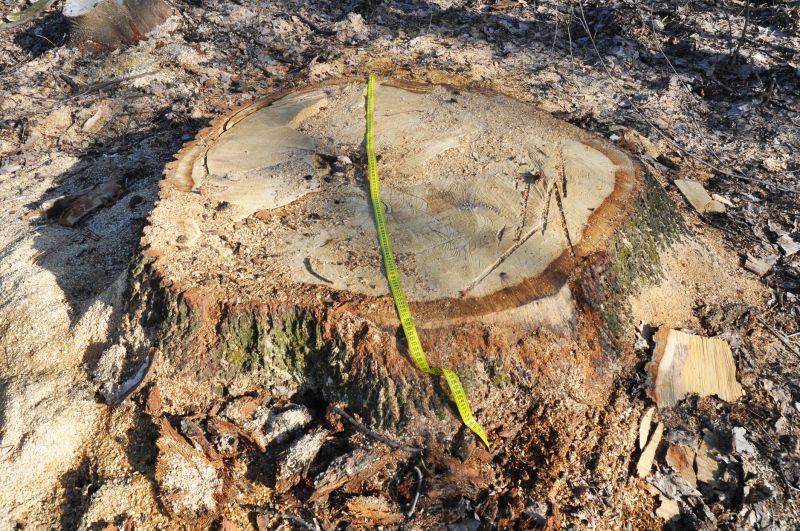
Little measurements that prevent headaches on Tree Removals day.
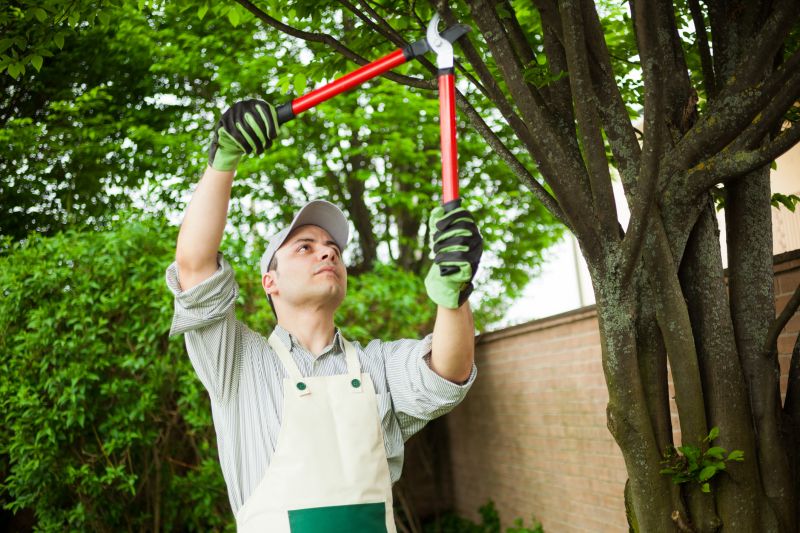
A 60-second routine that keeps Tree Removals looking new.
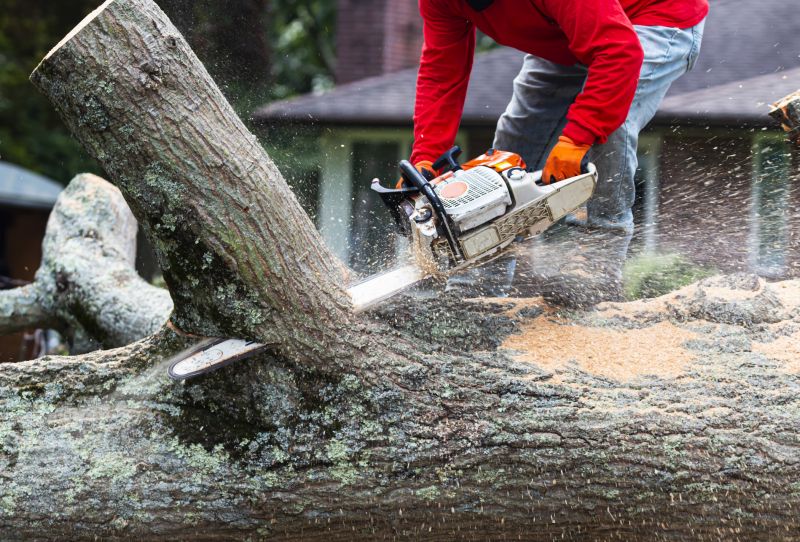
A frequent mistake in Tree Removals and how to dodge it.
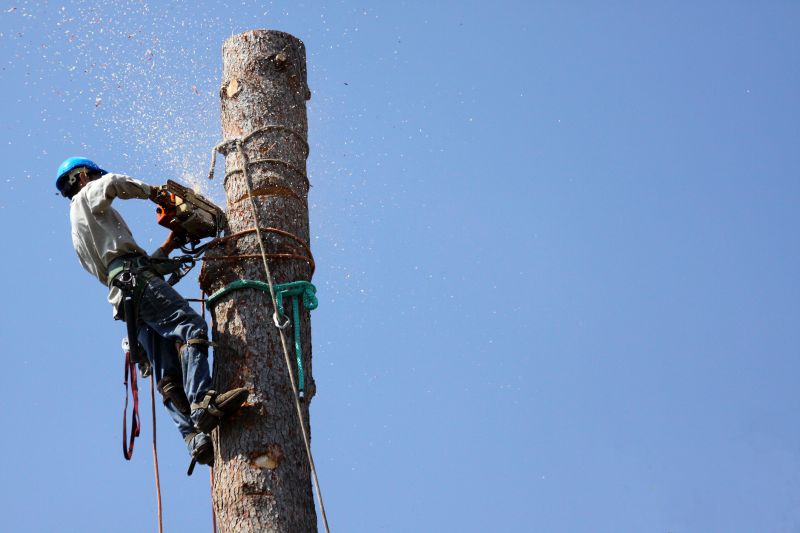
Small tweaks to make Tree Removals safer and easier to use.
Choosing the right time for tree removal depends on multiple factors, including tree health, species, and local weather patterns. Consulting with professionals can ensure the process is carried out at the most appropriate time, reducing risks and supporting landscape integrity.
Interested in scheduling a tree removal? Fill out the contact form to receive more information and assistance.